Surface treatment with lasers
Automated surface processing: What are the advantages of laser-based series production?
In their precision laser systems are versatile and suitable for processing a wide range of materials such as metals, plastics, ceramics, glass, textiles, semiconductors and modern sustainable materials. They gently and precisely vaporise, cut, weld, engrave, structure, mark or clean surfaces. At the same time, they offer high processing speeds.
Laser machines are used for surface processing in various industries – from automotive and aerospace engineering to mechanical engineering, medical technology and electronics production.
Intelligent processes: How does optical technology improve surface processing with lasers?
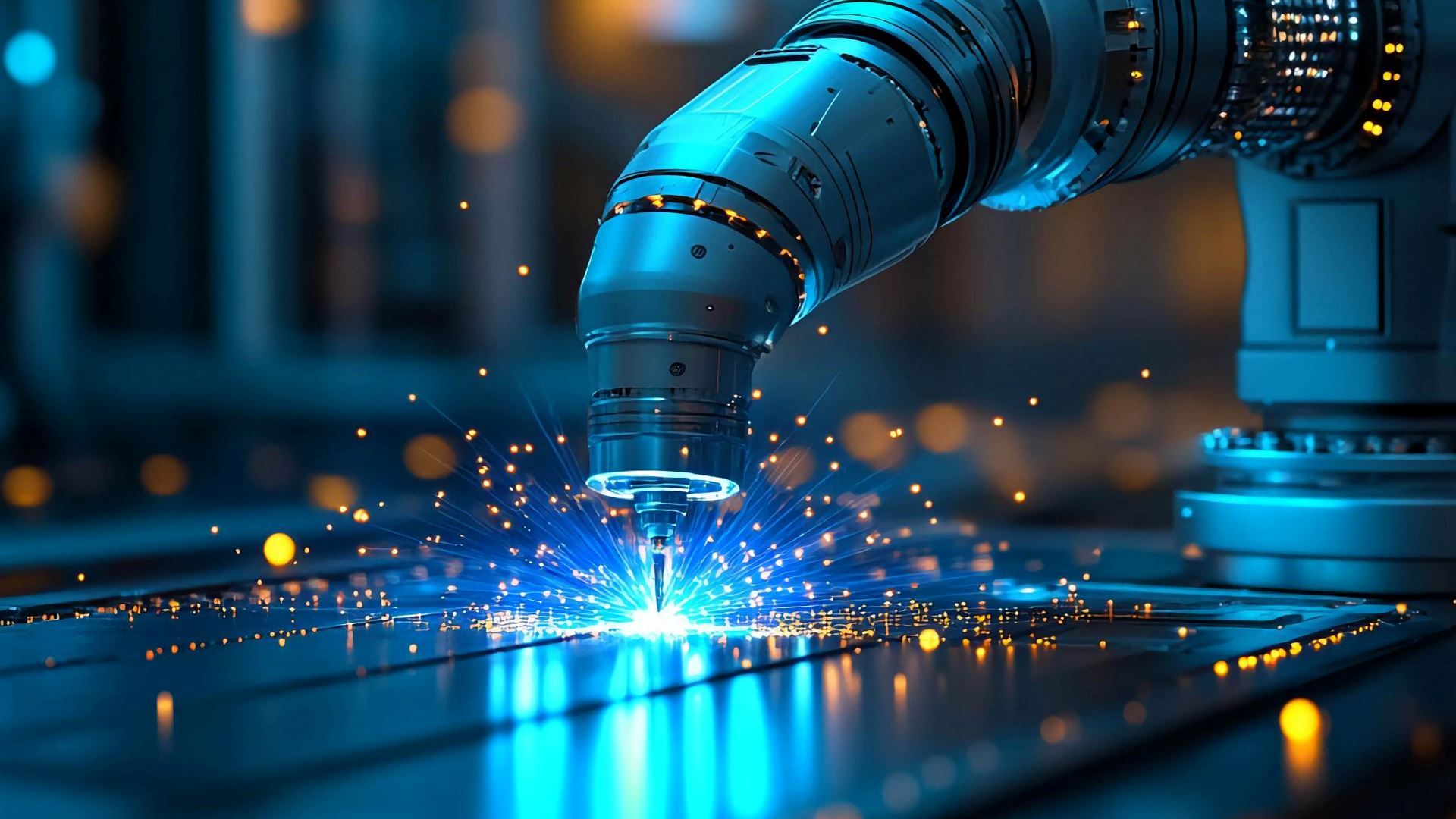
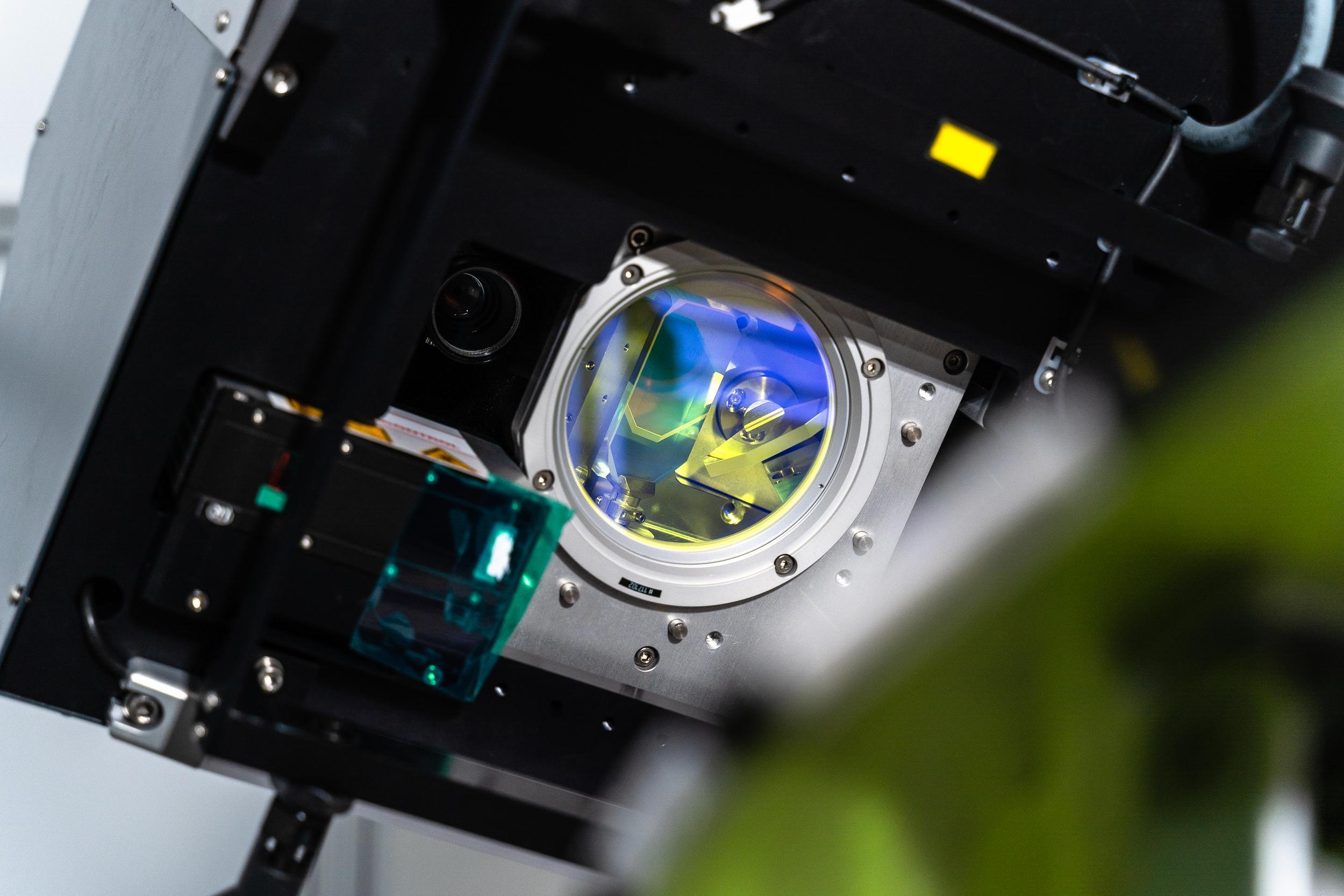
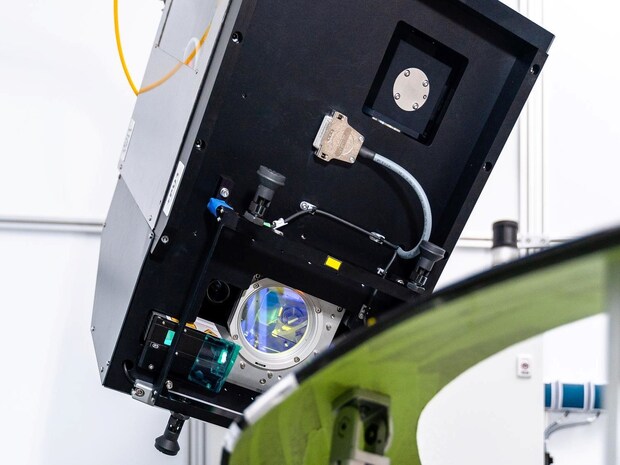
Adaptive optics, for example, increase precision and precisely adjust both the focus point and the beam shape of the laser to the workpiece. Cameras detect the position, orientation and contours of the workpieces so that the laser automatically positions itself correctly. Automatic component recognition and positioning also enable changing component shapes in series production. Optical technology in the form of spectroscopic sensors can also be used for real-time material analysis.
Material properties: What are the challenges of machining plastics, rubber, textiles and sustainable materials?
- Surface treatment with plastic
- Surface treatment with rubber
- How does surface treatment with textiles work?
- Sustainable materials
One solution is laser surface treatment of plastics, especially in combination with optical technologies. Non-contact surface structuring prevents chip formation or material sticking, which can block or clog the tool or even damage the surface being processed.
Read here about the opportunities that laser coat removal from transparent plastic substrates offers the plastics industry and how surface treatment using lasers works: Link.
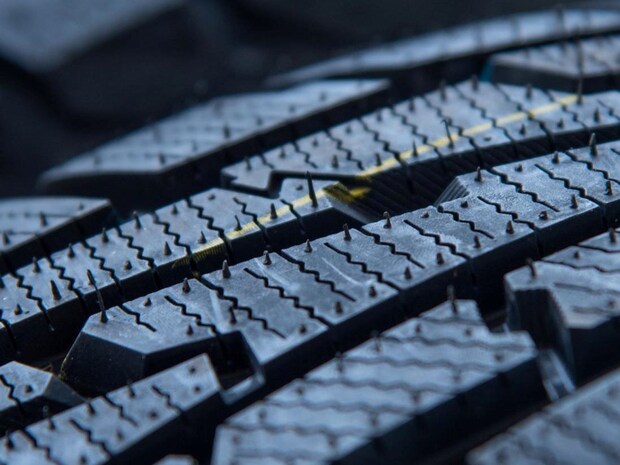
The machining of rubber is enormously challenging. As rubber is an extremely elastic material, the workpiece easily deviates from the machining tools. Due to its high elasticity, rubber also springs back after machining, which can result in narrower holes, smaller grooves or unclean edges, making it almost impossible to maintain tolerances in a predictable manner. This results in inaccurate dimensions, uneven removal or deformation of the workpiece. In addition, the material can tear uncontrollably or smear during surface machining, resulting in rough surfaces or dimensional deviations. The heat influence of conventional manufacturing processes can also lead to sticking or unwanted burning.
Similar to other plastics, a wide variety of material mixtures lead to highly variable properties, meaning that uniform processing parameters cannot be determined here either. Overall, the surface treatment of rubber requires extremely sharp cutting tools. In principle, this material is better ablated than chipped. Read here how prototype manufacturing and small series production of profile tyres can be successfully achieved by using laser surface-treatment machines.
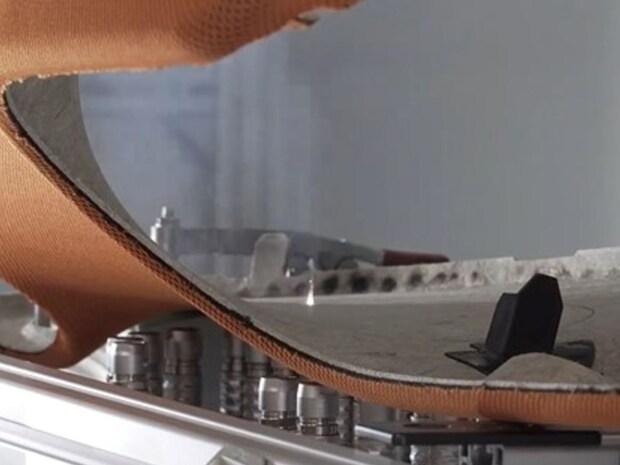
Surfaces such as woven fabrics, knitted fabrics, nonwovens and composite materials with textile content place very specific demands on their machining. Textile materials are fibrous, soft, porous and often directional. Therefore, cutting or removing textile can cause the cut edges to fray or fibres to simply be pulled out of the fabric, resulting in a torn appearance.
A particular challenge in the processing of textile fabrics lies in the fixation of the workpiece. Due to its soft and flexible structure, it is difficult to clamp it in the machine. In addition, the yielding textiles, similar to elastic plastics or rubber, tend to evade the machining tools. The fact that they are soft and deformable thus leads to deviations in dimensions and tolerances. They are therefore often bonded with foams, plastics or resins or multi-layered. However, the different materials in a fibre composite often react differently to the machining impulse, resulting in irregular cut patterns. More than that, textile fibres can scorch due to frictional heat. In addition, they generate dust and lint during machining, which can become lodged in the machine or contaminate its own surface, requiring increased cleaning effort or special extraction equipment and filter technology. The specific material properties of textile fabrics therefore require the precise and contactless use of lasers to cleanly remove surface layers.

The more specialised the materials, the more specialised the challenges of their surface treatment. Sustainable materials such as bioplastics, natural fibres, recycled materials or wood composites are less homogeneous than classic plastics or even metals. Natural fibres such as flax, hemp or jute in particular have different densities or directions of grain. Foreign particles contained in the material also pose a challenge for mechanical surface processing.
Similar to textile materials, natural fibre materials tend to fray, while wood-based materials tend to splinter. In general, many bio-based materials absorb moisture and change their properties in terms of hardness, dimensional stability and machinability. They can swell, warp or shrink after surface treatment. As a result, fluctuating surface qualities are possible.
Similar to their conventional counterparts, bioplastics can smear, discolour, melt or stick to tools. Sustainable materials can therefore wear down the tools used in conventional surface treatment processes, especially since natural fibres often contain mineral particles that act like abrasives. The same applies to foreign substances in secondary raw materials, such as metal or glass particles. Overall, the processing behaviour of sustainable materials is unpredictable.
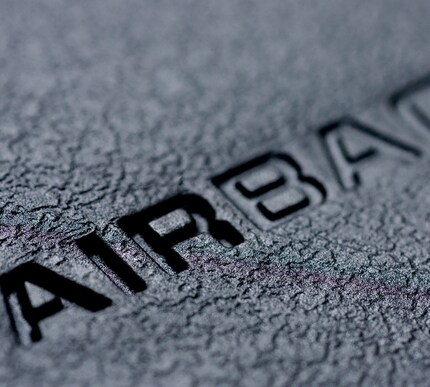
One solution for the surface treatment of sustainable materials lies in the combination of laser and optical technologies. With the aid of laser ablation, they ensure precise, contact-free production and create optimal process adaptation to material fluctuations. Read here how blind holes with minimal residual wall thickness ensure 100% safety of airbag tear lines through laser ablation.
Laser surface processing supports trends in the automotive industry:
- Aerodynamic design: clean lines, smooth surfaces, reduced edges
- Fully electric drive: laser-structured surfaces of battery electrodes
- Sustainable materials: interiors made from recycled plastic, bio-leather, cork or bamboo
- New mobility concepts: robust surfaces for shared mobility
- Flexible mass production: customised expression of individuality
- Futuristic front: closed front panel with continuous light designs
- Welcome animation: personalised lighting effects
- Illuminated logos: brand differentiation with light design
- Foils instead of paint: colour application for intricate patterns and images
- Autonomous driving: safety through new airbag positioning
- Customised driving experience: light colours depending on mood, time of day and driving situation
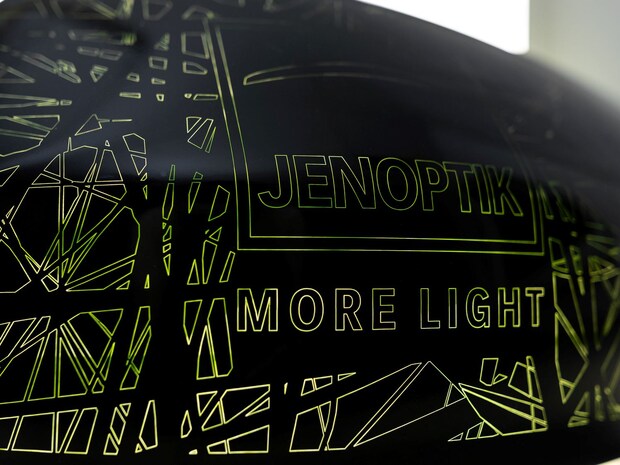
More than just illuminated logos: how does light design work with translucent surface structures?
The market

The technology
Your solution
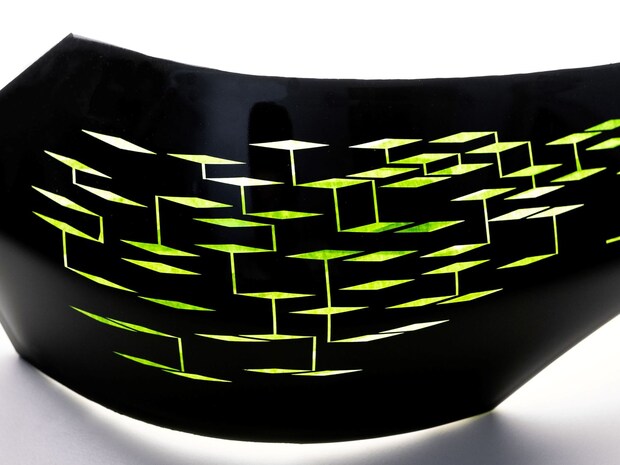
Laser surface treatment: What is laser ablation?